|
|

|
Boginfo |
|
| |
|
|
|
|
Museum Tusculanums Forlag bruger cookies for at huske dine indstillinger. Ved at bruge sitet accepterer du dette. Accepter cookies
|
| |
 Nyhedsbrev Nyhedsbrev
 Print siden Print siden
|
|

|
0
|
Vejl. pris150 DKK 23 $ 20 € 18 £
|
|
Onlinepris120 DKK 18 $ 16 € 14 £
|
|
|
Må du bare eje denne bog?
Man kan desværre ikke købe direkte i vores webshop lige nu da den betalingsløsning vi tidligere har anvendt, er lukket; en ny og bedre hjemmeside er under udvikling.
Indtil videre kan man bestille bøger på den gammeldags maner, ved at skrive til order@mtp.dk.
Husk i bestillingen at angive modtagerens navn, forsendelsesadresse og mobilnummer (samt mailadresse hvis modtageren er en anden end dig selv).
Bestillinger sendes med PostNord, som udgangspunkt som pakker til afhentning i pakkeshop eller pakkeboks/nærboks; læs mere her. Hvis du behøver levering til døren eller ikke har mulighed for at hente fra pakkeboks/nærboks, så angiv også det i din bestilling.
|
▼ Indhold
▼ Din mening
▼ Kunder, som har købt denne titel, købte også
Fås også som e-tidsskrift
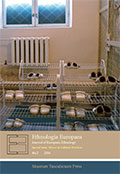
This issue opens with an in-depth analysis by Antti Lindfors of the ways that satire is intertwined with moral understandings, bringing recent discussions from the anthropology of ethics as well as emotions to the stand-up comedian's stage in Finland and elsewhere. Ethical issues are also at stake in Britta Lundgrens's examination of how Swedish health-care providers involved in the threat of an epidemic as well as adverse side-effects of vaccinations face double-bind situations and deal with their own doubts. Then Niels Jul Nielsen and Janus Jul Olsen explain how the neoliberal transformations in Denmark's social welfare system have resulted from the loss of a perception of the working class as a potential threat to societal stability and peace. Anastasiya Astapova's article which provides the inspiration for this issue's cover art, looks at the folklore of Potemkinism in Belarus, local attitudes and narratives around the "façade" performance. And finally, Jernej Mlekuž explores the symbolic complexity and material significance of the burek in Solvenia, one of the country's most popular and yet disrespected foods.
Marie Sandberg (f. 1975), lektor ved Saxo-Instituttet - Arkæologi, Etnologi, Historie og Græsk og Latin, Københavns Universitet.
Also available as e-book
This issue opens with an in-depth analysis by Antti Lindfors of the ways that satire is intertwined with moral understandings, bringing recent discussions from the anthropology of ethics as well as emotions to the stand-up comedian's stage in Finland and elsewhere. Ethical issues are also at stake in Britta Lundgrens's examination of how Swedish health-care providers involved in the threat of an epidemic as well as adverse side-effects of vaccinations face double-bind situations and deal with their own doubts. Then Niels Jul Nielsen and Janus Jul Olsen explain how the neoliberal transformations in Denmark's social welfare system have resulted from the loss of a perception of the working class as a potential threat to societal stability and peace. Anastasiya Astapova's article which provides the inspiration for this issue's cover art, looks at the folklore of Potemkinism in Belarus, local attitudes and narratives around the "façade" performance. And finally, Jernej Mlekuž explores the symbolic complexity and material significance of the burek in Solvenia, one of the country's most popular and yet disrespected foods. |
|
|
Indlæg offentliggøres med navn og e-mail. Forlaget forbeholder sig ret til at redigere og udelade indlæg.Kunder, som har købt denne titel, købte også
|
|
|
|
|
|
|
|
|
|
|